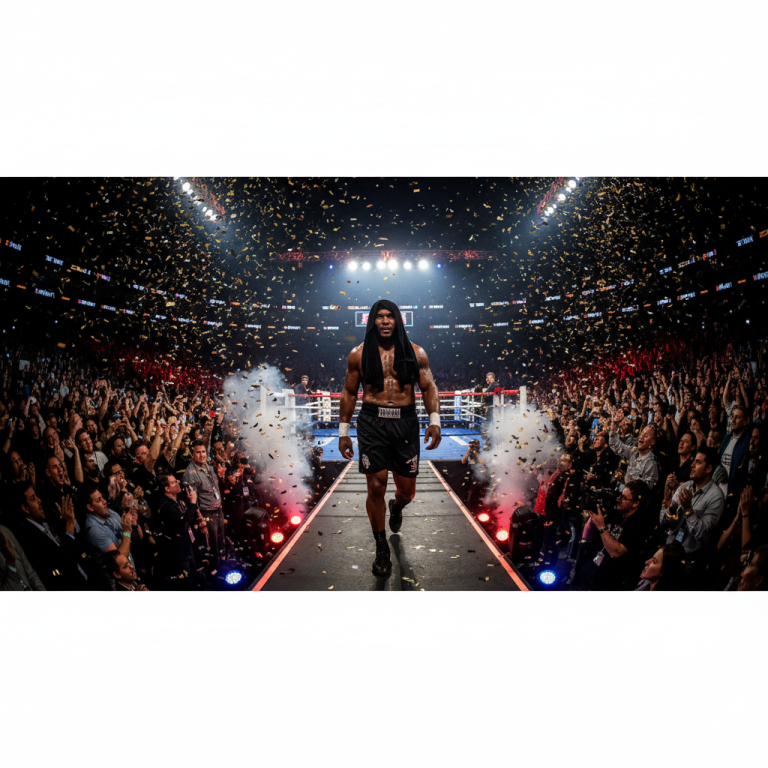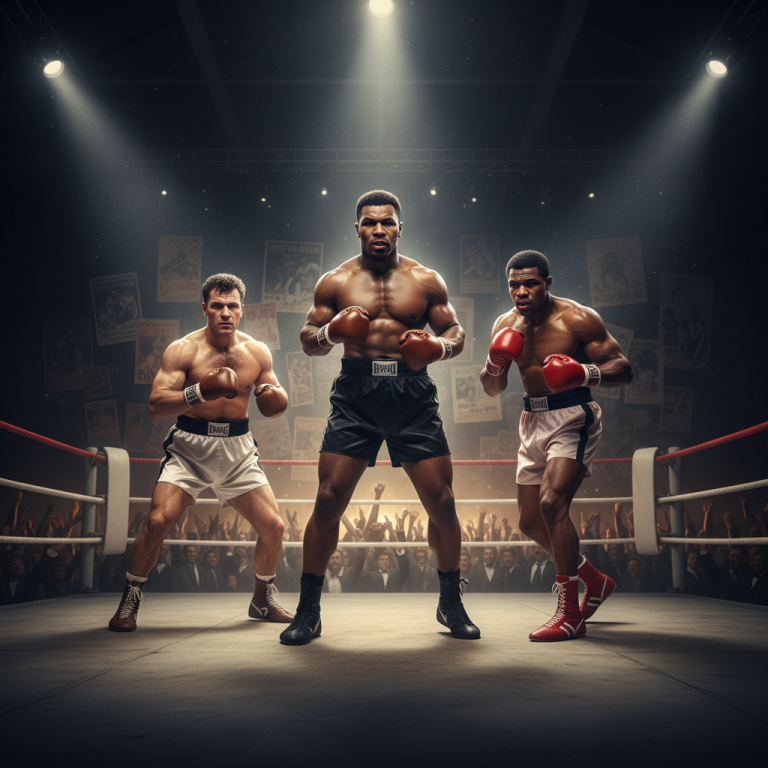

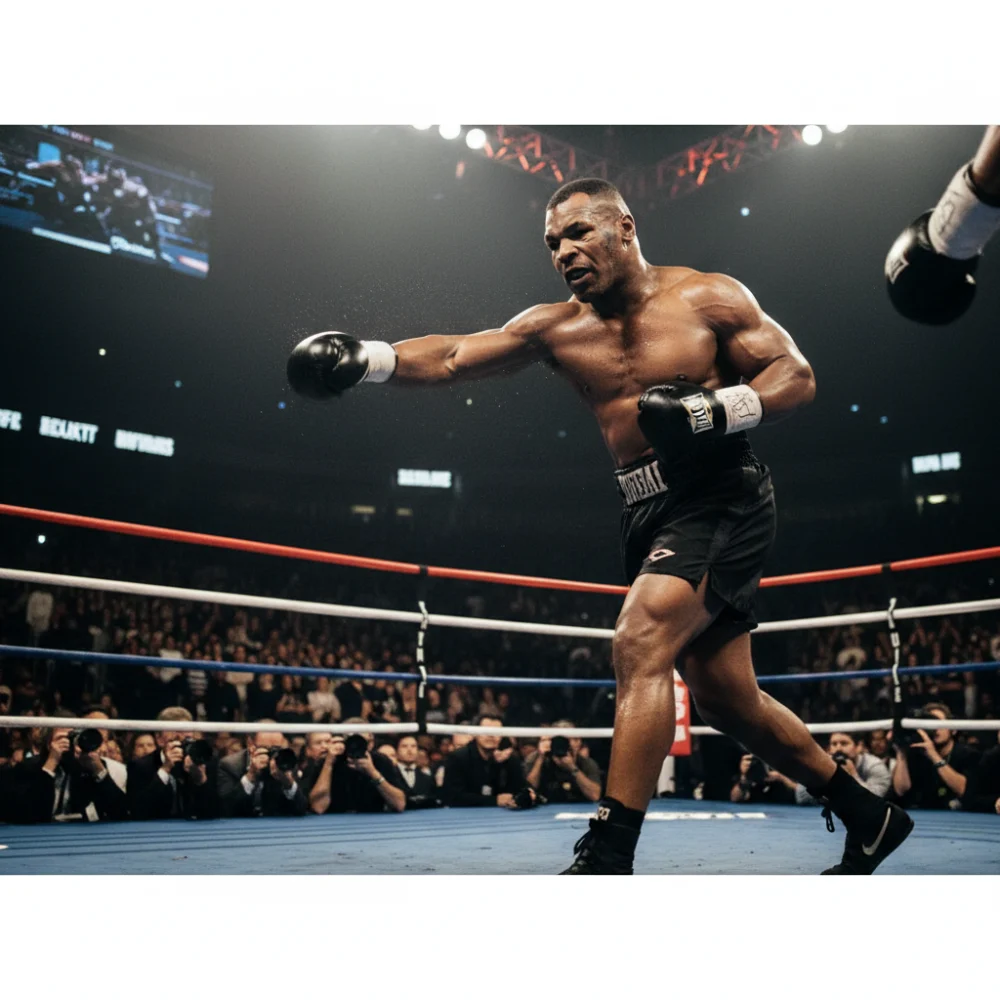
The era of Mike Tyson in the mid-to-late 1980s remains one of the most electric periods in sports history. Known as Iron Mike, Tyson brought a level of ferocity, speed, and technical precision that the heavyweight division had never seen before. His prime years, roughly spanning from his professional debut in 1985 to the shocking loss against Buster Douglas in 1990, were defined by a series of clinical destructions that solidified his legacy as the baddest man on the planet.
The Foundation and the Early Blitz
Before the world titles, Tyson was a wrecking ball fueled by the teachings of Cus D’Amato. In 1985 alone, Tyson fought 15 times, winning all of them by knockout. His Peek-a-Boo style, characterized by constant head movement and explosive counter-punching, made him nearly impossible to hit cleanly. These early fights were not just displays of power but masterclasses in boxing fundamentals disguised as street brawls.
November 1986: Trevor Berbick and the History Books
At just 20 years old, Tyson faced WBC champion Trevor Berbick. The fight was a mismatch from the opening bell. Tyson’s speed was too much for the veteran. In the second round, a devastating left hook sent Berbick sprawling across the ring in a legendary sequence where he tried to stand up three times but failed. This victory made Tyson the youngest heavyweight champion in history, a record that still stands today.
March 1987: James Bonecrusher Smith
To unify the titles, Tyson had to face James Bonecrusher Smith for the WBA belt. Unlike Berbick, Smith chose a defensive strategy, clinching frequently to survive Tyson’s onslaught. While the fight went the distance, it demonstrated Tyson’s discipline. He didn’t lose his cool, winning a wide unanimous decision and proving he could dominate for 12 rounds if necessary against a much larger opponent.
May 1987: Pinklon Thomas
One of Tyson’s most underrated performances came against Pinklon Thomas. Thomas possessed one of the best jabs in the business, yet Tyson neutralized it with ease. The finish in the sixth round was a brutal 15-punch combination that left Thomas slumped against the ropes. This fight showcased Tyson’s ability to break down elite technical boxers through sheer volume and accuracy.
August 1987: Becoming Undisputed Against Tony Tucker
The final piece of the unification puzzle was Tony Tucker, the IBF champion. Tucker was tall, rangy, and undefeated, presenting a unique challenge. Despite taking a rare uppercut from Tucker early on, Tyson adjusted and dominated the later rounds. By winning a unanimous decision, he became the first undisputed heavyweight champion since Leon Spinks, holding the WBC, WBA, and IBF titles simultaneously.
January 1988: The Demolition of Larry Holmes
Many critics argued Tyson hadn’t beaten a true legend until he faced Larry Holmes. Although Holmes was past his physical peak, he had never been knocked out in his illustrious career. Tyson changed that in four rounds. The image of Tyson dropping the Easton Assassin with a thunderous right hand remains one of the most iconic moments of his prime, signaling a definitive passing of the torch.
March 1988: Global Dominance in Tokyo Against Tony Tubbs
Tyson took his world tour to Japan to face Tony Tubbs. In front of a massive crowd at the Tokyo Dome, Tyson dismantled the former champion in just two rounds. The fight emphasized Tyson’s global appeal and his status as a cultural phenomenon who transcended the sport of boxing, proving his power traveled across every continent.
June 1988: The 91-Second Masterpiece Against Michael Spinks
The absolute pinnacle of Tyson’s career occurred on June 27, 1988, against Michael Spinks. Spinks was the lineal champion and undefeated, but he looked terrified entering the ring. Tyson needed only 91 seconds to knock him out. This performance is often cited as the perfect fight, where Tyson’s speed, power, and psychological warfare reached their absolute zenith.
The Shift in the Corner: Firing Kevin Rooney
Following the Spinks victory, the structural integrity of Tyson’s team began to crumble. The dismissal of trainer Kevin Rooney, the last link to Cus D’Amato’s technical system, marked the beginning of the end for Tyson’s technical peak. Without Rooney’s constant insistence on head movement and combinations, Tyson began to rely more on single power shots rather than the fluid boxing that made him unstoppable.
February 1989: Frank Bruno and the First Cracks
In his first fight after the Spinks demolition, Tyson faced the British powerhouse Frank Bruno. While Tyson won by TKO in the fifth round, Bruno managed to stun Tyson with a left hook in the first round. It was a brief moment, but it showed that the invincible aura was starting to show minor fractures as Tyson’s defensive discipline began to slip without his core training team.
July 1989: Carl Williams and the Last Flash of Brilliance
Tyson’s final successful defense of his undisputed crown came against Carl Williams. In a performance reminiscent of his early years, Tyson ended the fight in just 93 seconds of the first round. It appeared that despite the internal turmoil with his management and personal life, his physical gifts were still enough to destroy top-tier contenders with a single blow.
February 1990: The Tokyo Shock Against Buster Douglas
The end of the prime era arrived in the most unexpected fashion. Tyson entered the ring against James Buster Douglas as a 42-to-1 favorite. However, a lack of preparation, personal distractions, and the absence of his core training team proved fatal. Douglas boxed the fight of his life, utilizing a stiff jab to keep Tyson at bay before knocking him out in the 10th round, changing boxing history forever.
The Technical Genius of the Peek-a-Boo Style
To understand Tyson’s prime, one must understand the Peek-a-Boo style. It relied on:
- Constant lateral movement to create angles for attacking.
- Low center of gravity to generate massive power from the legs and hips.
- High guard to protect the chin while allowing for quick, explosive counters.
When Tyson executed this system perfectly, he was a defensive wizard as much as he was a knockout artist.
Legacy of the Prime Years
The five-year stretch from 1985 to 1990 represents one of the highest peaks any athlete has ever achieved in combat sports. Mike Tyson didn’t just win fights; he dominated the collective consciousness of the world. While his career continued for years after, the Prime Tyson remains the gold standard for explosive heavyweight boxing, a blend of speed, technique, and ferocity that has yet to be replicated in the ring.