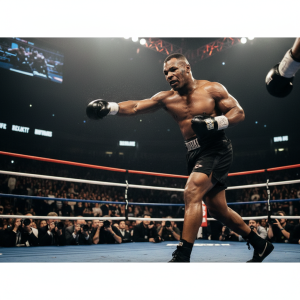



The landscape of combat sports has undergone a radical transformation over the last century. From the smoke-filled arenas of the early 20th century to the high-tech, data-driven training camps of today, the evolution is undeniable. However, amidst the surge of sports science and biomechanics, there is a growing realization that certain lost arts of the old-school legends remain more relevant than ever. Modern fighters, while physically superior in many ways, can gain a significant competitive edge by revisiting the fundamentals and philosophies that defined the greats of yesteryear.
The Unyielding Mental Fortitude
One of the most striking characteristics of old-school legends like Roberto Duran or Muhammad Ali was their psychological resilience. In an era where fights were longer and medical interventions were minimal, these athletes developed a level of mental toughness that bordered on the supernatural. Modern fighters often rely on controlled environments, but the legends thrived in chaos. Learning to embrace discomfort and maintain focus under extreme duress is a psychological pillar that no amount of modern technology can replace.
Mastering the Art of the Setup
In the modern era, there is a heavy emphasis on explosive power and high-volume striking. While effective, it often lacks the subtle craftiness of the past. Old-school legends were masters of the setup—using feints, rhythm changes, and psychological traps to lead an opponent into a mistake. Fighters like Willie Pep did not just throw punches; they orchestrated a series of movements that forced the opponent to react predictably. Modern athletes can benefit immensely by slowing down and prioritizing the tactical chess match over raw physical output.
The Nuance of Defensive Craft
Defense in modern MMA or boxing often revolves around high guards or rapid retreats. Conversely, old-school defense was a sophisticated system of head movement, parries, and the shoulder roll popularized by legends like Archie Moore. This style allowed fighters to stay in the pocket, conserve energy, and counter-punch with devastating accuracy. By integrating these vintage defensive techniques, modern fighters can reduce the damage taken while remaining within striking distance, a crucial skill for career longevity.
Functional Conditioning and Durability
Before the advent of specialized strength and conditioning coaches, legends relied on grueling, high-volume roadwork and bodyweight exercises. While modern science has improved efficiency, the sheer volume of work performed by old-school athletes created a unique type of fighting durability. They were conditioned for 15-round wars, which demanded a different kind of cardiovascular engine. Modern fighters can learn the value of high-repetition endurance training to ensure they do not gas out during the championship rounds of a high-intensity bout.
The Philosophy of Ring Generalship
Ring generalship is the ability to control the pace, location, and narrative of a fight. Old-school legends were experts at cutting off the ring and forcing opponents into uncomfortable positions. Today, many fighters rely on athleticism to escape bad spots, but legends used geometry and footwork. Understanding the spatial dynamics of the cage or ring allows a fighter to dictate where the engagement happens, effectively neutralizing an opponent’s strengths before a single blow is landed.
The Lost Art of Body Snatching
Modern combat sports often see a preoccupation with head-hunting, looking for the spectacular knockout. However, the legends knew that the body is the engine room. Fighters like Joe Frazier or Julio Cesar Chavez were notorious for their relentless body attacks. Investing in body shots early in a fight pays dividends in the later rounds, as it saps the opponent’s breath and lowers their hands. Reincorporating a systematic body-snatching approach can break down even the most durable modern opponents.
Cultivating Fighting Intuition
With the rise of video analysis, modern fighters often over-analyze their opponents, leading to paralysis by analysis. Old-school legends relied heavily on intuition and the ability to read an opponent’s tells in real-time. This instinctual fighting style allowed for quicker reactions and more creative problem-solving mid-fight. While data is valuable, modern athletes must also spend time in live sparring scenarios that prioritize feel and adaptability over rigid game plans.
The Power of Simple Fundamentals
There is a beauty in the simplicity of the old-school approach. Legends often mastered a handful of techniques to a level of perfection that made them unstoppable. Whether it was Larry Holmes’ jab or Sugar Ray Robinson’s left hook, these fighters proved that a perfect fundamental is better than a dozen mediocre flashy moves. Modern fighters should strive to strip away the unnecessary and ensure their core foundations—stance, balance, and basic strikes—are flawless.
Embracing the Grind of the Gym
The modern training camp is often a polished, media-friendly event. In contrast, the old-school gyms were gritty, hot, and unforgiving. This environment forged a specific type of character. While modern facilities are better for health, there is a lesson to be learned in occasionally stripping away the luxuries. Training in a raw environment helps build the mental calluses needed when a fight turns into a dogfight in the trenches.
Adaptability Across Styles
Legends often fought several times a month, forcing them to adapt to various styles on short notice. This frequency built an incredible depth of experience. While modern schedules do not allow for such frequency, the lesson of adaptability remains. Modern fighters should cross-train in various disciplines—not just to learn new moves, but to understand the different rhythms and psychological profiles of different combat arts.
The Intricacies of the Inside Game
In many modern matches, the clinch is seen as a place to rest or a transition to a takedown. Old-school legends viewed the inside game as a primary offensive zone. They used their heads, shoulders, and hips to create openings for short uppercuts and hooks. Mastering the leverage and dirty boxing techniques of the past can turn a stalemate into a scoring opportunity, particularly for fighters who lack a reach advantage.
Understanding Fighting Legacy
Old-school legends often fought for more than just money or titles; they fought for their community, their family, or their personal honor. This deep-seated why provided a reservoir of motivation during the hardest moments of their careers. Modern fighters who connect with a purpose beyond the aesthetic or financial gain often find a higher gear when facing adversity. Learning the history of those who came before provides a sense of belonging to a long warrior lineage.
Balancing Tradition with Modern Science
The ideal modern fighter is one who can bridge the gap. They take the grit, the defensive mastery, and the tactical setups of the legends and combine them with modern recovery protocols, nutrition, and injury prevention. It is not about rejecting the new, but about ensuring the soul of the fighter remains intact. A fighter who possesses the technical brilliance of the past and the physical optimization of the present is a truly formidable force.
The Path Forward for the Modern Warrior
In conclusion, the legends of the past are not just names in a history book; they are the architects of the combat arts. By studying their methods, modern fighters can rediscover the importance of timing, psychological warfare, and technical economy. The path to greatness in the modern era involves looking backward to move forward, ensuring that the timeless wisdom of the old-school legends continues to shape the champions of tomorrow.