

In the annals of boxing history, few names evoke a visceral sense of dread quite like Mike Tyson. During his prime in the late 1980s, Tyson was not merely a heavyweight champion; he was a phenomenon of pure intimidation. Opponents didn’t just fear his punching power; they feared the totality of his presence. The “Baddest Man on the Planet” carried an aura that often decided the outcome of a fight before the first bell even rang, leaving seasoned veterans questioning their career choices moments before stepping into the ring.
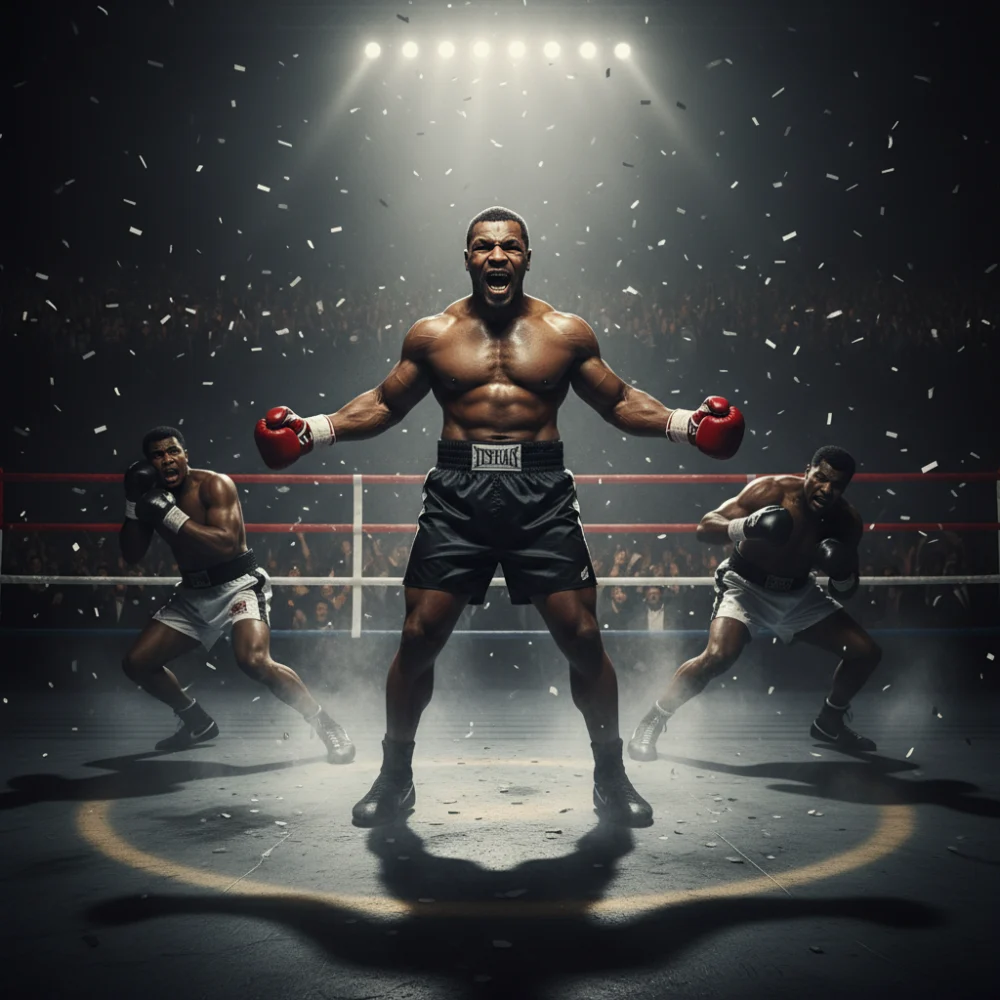
What distinguished Tyson from other heavy hitters like George Foreman or Earnie Shavers was the psychological warfare he embodied. He entered the ring stripped of the usual pageantry—no robe, no socks, just black trunks and a towel with a hole cut in it. This Spartan appearance signaled to legends and journeymen alike that he was there for one purpose: execution. This visual simplicity terrified opponents because it suggested a business-like approach to violence that was unparalleled in the sport.
The Speed That Betrayed Physics
While Tyson is remembered for his knockout power, what truly terrified elite boxers was his hand speed. Heavyweights are not supposed to move like lightweights, yet Tyson defied this logic. Legends like Larry Holmes and Michael Spinks, who were accustomed to the rhythm of traditional heavyweights, found themselves unable to track Tyson’s movements. His ability to close the distance in a split second meant that an opponent was never safe, even when they thought they were out of range.
This speed was compounded by his ferocity. Tyson threw combinations with bad intentions, often landing three or four punches before his opponent could react to the first. The fear was not just of getting hit, but of getting hit repeatedly without the ability to clinch or counter. This overwhelming volume of fire forced opponents into a defensive shell, paralyzing their own offensive strategies.
The Peek-a-Boo Defense
Another aspect that frustrated and frightened legends was Tyson’s defensive wizardry, instilled by his mentor Cus D’Amato. The “Peek-a-Boo” style involved constant head movement, bobbing, and weaving. Opponents feared the embarrassment of missing. Swinging at Tyson often felt like swinging at a ghost; the energy expenditure of missing heavy shots drained their stamina and morale rapidly.
When an opponent missed Tyson, they instantly knew a counter-punch was coming. This created a state of hesitation. Legends feared pulling the trigger because they knew that Tyson’s counter-punching mechanism was triggered by their own aggression. This psychological trap turned aggressive fighters into hesitant targets, waiting for the inevitable knockout blow.
The Fate of Michael Spinks
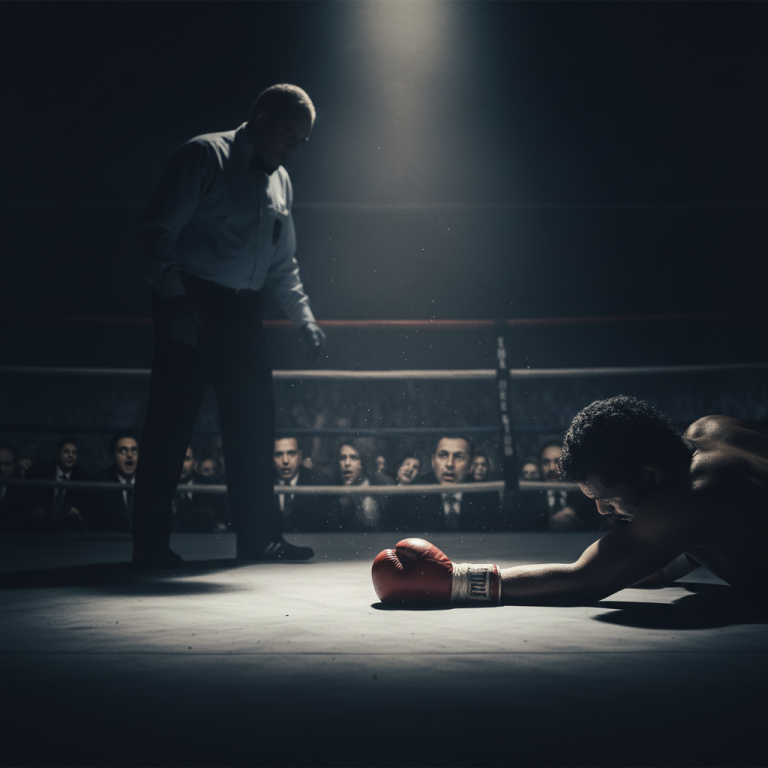
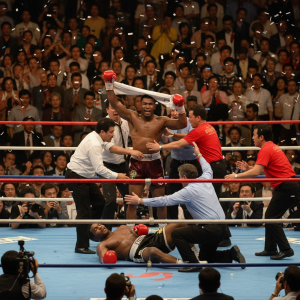
Perhaps the most famous example of the fear Tyson instilled was his bout against Michael Spinks in 1988. Spinks was an undefeated legend, a master technician, yet the look of terror in his eyes before the fight is iconic. Boxing historians often note that Spinks had lost the fight in the locker room. The fear of Tyson’s power froze Spinks’ legs, leading to a 91-second demolition that cemented Tyson’s status as a mythical monster.
Spinks later admitted that the pressure and the aura surrounding Tyson were unlike anything he had experienced. It wasn’t just a boxing match; it felt like a public execution. This fear was palpable to the audience and the commentators, creating a feedback loop that made Tyson seem larger than life. The psychological weight of facing “Iron Mike” was heavy enough to crush the spirit of a lineal champion.
The Sound of the Impact
Opponents who faced Tyson often spoke about the auditory experience of his punches. It wasn’t just a thud; it was a snapping sound that resonated through the arena. Legends feared the physical damage that accompanied that sound. Tyson didn’t just aim to score points; he aimed to punch through the target. This intent to inflict pain was evident in every hook and uppercut.
Frank Bruno, who faced Tyson twice, described the feeling of being hit by him as having “electric currents” running through his body. The fear of sustaining permanent injury was a legitimate concern for anyone signing a contract to fight him. This physical fear forced opponents to fight purely for survival rather than for victory, a mindset that doomed them from the start.
The Pre-Fight Staredown
The stare was a weapon in itself. Tyson would pace the ring like a caged tiger, fixing his gaze on his opponent with an intensity that was unsettling. He famously never broke eye contact during the referee’s instructions. Legends feared this moment because it was the point of no return. Looking into Tyson’s eyes, they saw a lack of empathy and a singular drive for destruction.
This intensity was often contrasted with the opponent’s behavior. Many would look at the floor, the referee, or the crowd—anywhere but at Tyson. This submission before the fight began was a clear indicator of the fear coursing through their veins. Tyson fed off this fear, growing more confident as he sensed the hesitation in his prey.
The Unpredictability Factor
Beyond the physical attributes, there was a fear of Tyson’s unpredictability. Outside the ring, his chaotic life and volatile personality bled into his in-ring persona. Opponents never knew which version of Tyson would show up, but they always prepared for the monster. This uncertainty kept them on edge, disrupting their mental preparation and focus.
Even in the later stages of his career, when his physical tools had diminished, the reputation remained. Fighters were still cautious, treating him like a dormant volcano that could erupt at any moment. This legacy of fear allowed Tyson to remain competitive even when he was no longer the prime fighter of the late 80s.
Conclusion: The Legacy of Intimidation
Ultimately, what legends feared most when facing Mike Tyson was the realization of their own mortality inside the squared circle. He stripped away the sport’s gentlemanly facade and exposed the raw, brutal nature of combat. Tyson forced every opponent to confront their deepest fears regarding pain, humiliation, and defeat.
Today, the legend of “Iron Mike” persists not just because of his record, but because of the psychological shadow he cast over the heavyweight division. He remains the gold standard for intimidation in combat sports, a reminder of a time when the world paused to watch a man who induced pure terror in the hearts of champions.