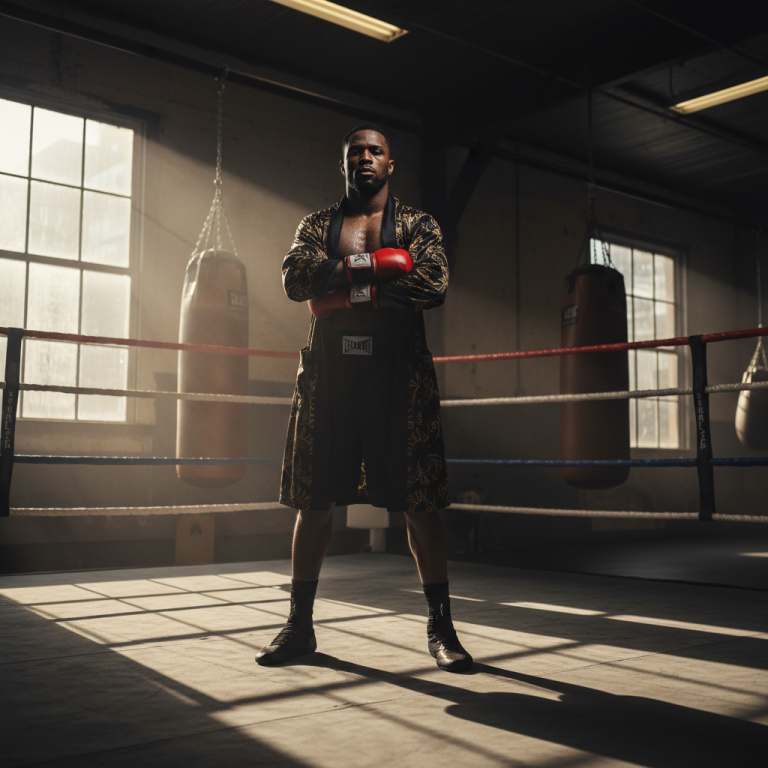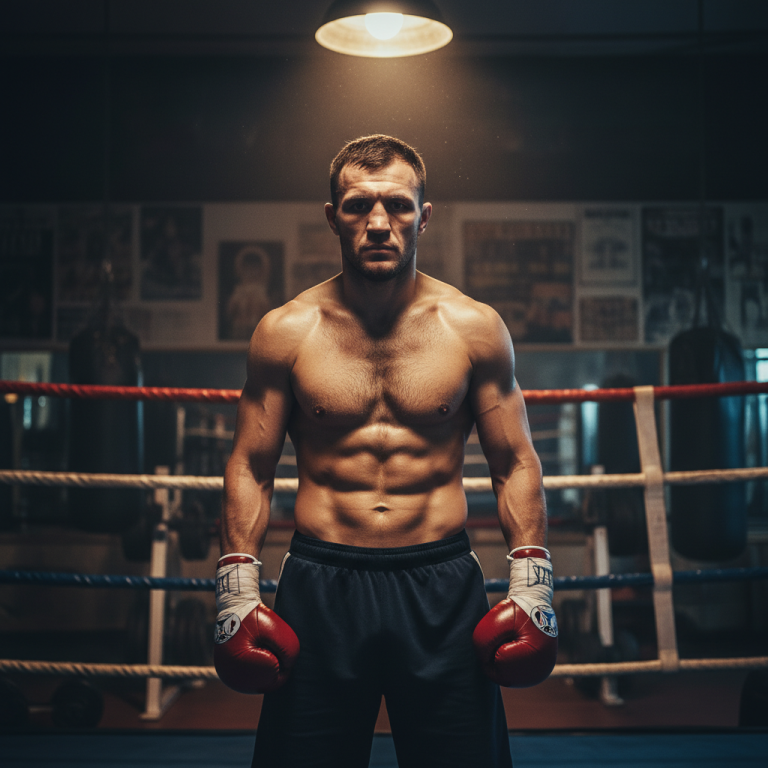

In the brutal theater of prize fighting, where aggression is often mistaken for dominance, Pernell “Sweet Pea” Whitaker stood as a brilliant contradiction. He was a fighter who controlled violence by refusing to participate in it on his opponent’s terms. Boxing is classically defined as the “Sweet Science,” a discipline predicated on the axiom “hit and don’t get hit.” While many champions have mastered the first half of that equation, few in history have perfected the second half with the grace, fluidity, and arrogance of Whitaker.
Born in Norfolk, Virginia, Whitaker emerged from the amateur ranks with a pedigree that screamed greatness. An Olympic gold medalist in the celebrated 1984 class, he entered the professional ranks with a target on his back. However, what separated Whitaker from his peers was not overwhelming one-punch knockout power or iron-chinned durability; it was a supernatural ability to be everywhere and nowhere simultaneously. He didn’t just dodge punches; he made them miss by millimeters, often while standing right in front of his adversary.
The Architecture of Elusiveness
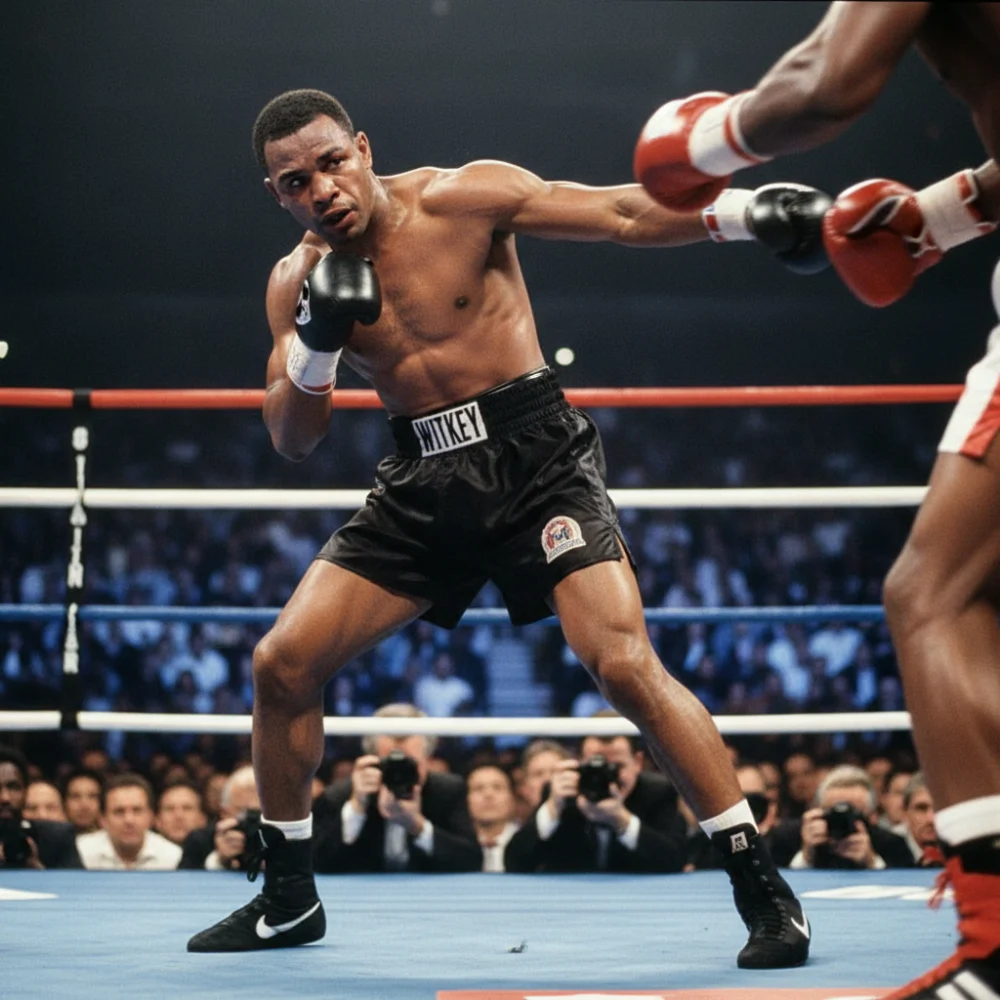
Whitaker’s defensive genius was not built on running around the ring to survive. Unlike other defensive specialists who utilized excessive lateral movement to stay strictly out of range, Whitaker often operated comfortably within the pocket. This is what made his style so visually mesmerizing and psychologically devastating. He would stand within arm’s reach, invite a combination, and then utilize a complex combination of waist bending, knee flexing, and head movement to slip punches that seemed destined to land.
His center of gravity was deceptively low, allowing him to duck under hooks and pivot out of danger with the fluidity of water. Watching Whitaker in his prime was akin to watching a matador who had discarded his cape and decided to dodge the bull with nothing but body language. He possessed a “radar” that seemed to anticipate the trajectory of a glove before the punch was fully thrown, allowing him to react before the action had even registered with the crowd.
The Southpaw Advantage
Fighting from the southpaw stance, Whitaker utilized his lead right hand as more than just a jab; it was a measuring stick, a blinder, and a disruptor. He would often leave his right hand low, baiting opponents to throw over the top, only to shoulder roll or dip underneath and counter with a sharp left cross or a debilitating body shot. His mastery of angles meant that even when opponents cornered him, he could spin out and leave them punching the turnbuckle.
One of the most defining aspects of his game was his balance. Regardless of how contorted his body appeared while dodging a flurry of punches—sometimes bending at a 90-degree angle at the waist—his feet were always positioned to launch an attack. This is the difference between passive defense and active defense. Whitaker didn’t move just to survive; he moved to create openings, turning his opponent’s aggression into their greatest liability.
The Chavez Fight: A Robbery of Greatness
Perhaps the most illustrative night of Whitaker’s defensive wizardry occurred on September 10, 1993, against the legendary Julio César Chávez. At the time, Chávez was an unstoppable force, an undefeated Mexican icon known for breaking bodies and wills with relentless pressure. The fight was billed as a clash of styles, but it turned into a defensive masterclass. For 12 rounds, Whitaker made the terrifying pressure fighter look pedestrian.
Whitaker dominated the center of the ring, slipping Chávez’s famous body shots and peppering him with stiff jabs and rapid-fire combinations. He outlanded the aggressor and controlled the pace entirely. When the judges announced a majority draw, it was widely considered one of the most egregious robberies in boxing history. Yet, for boxing purists, the official scorecard mattered less than the visual evidence: Whitaker had tamed the beast without getting a scratch.
Psychological Warfare in the Ring
Beyond the physical mechanics, Whitaker’s defense was a potent form of psychological torture. There is nothing more exhausting for a professional fighter than throwing punches with full intent at a target that isn’t there. Whitaker knew this and capitalized on it with supreme showmanship. He would drop his hands, stick out his tongue, or squat down to canvas level, mocking his opponents in real-time.
This showboating served a strategic purpose beyond mere arrogance. It infuriated his opponents, causing them to abandon their game plans and throw wilder, less accurate shots. The angrier they got, the easier they were to hit, and the harder they were to miss. Whitaker broke the spirits of world-class fighters not by knocking them unconscious, but by embarrassing them into submission.
Offense Born from Defense
It is a mistake to view Whitaker solely as a defensive fighter. His defense was the engine of his offense. Because opponents were constantly off-balance trying to hit him, they were perpetually vulnerable to his counters. He possessed a stinging jab that he could triple up on, and his body work was underrated and surgically precise. He didn’t need to trade punches to win; he simply hit you while you were busy missing him.
A Lasting Legacy
Whitaker captured world titles in four weight classes—lightweight, light welterweight, welterweight, and light middleweight—proving that his skills translated regardless of the size of the opponent. His reign at lightweight is particularly revered, where he is considered one of the greatest to ever campaign at 135 pounds. He faced the best of his era, including Azumah Nelson, Buddy McGirt, and Oscar De La Hoya, consistently displaying his unique brand of genius.
Modern defensive wizards like Floyd Mayweather Jr. and Shakur Stevenson owe a stylistic debt to Whitaker. While Mayweather perfected the shoulder roll and distance management, Whitaker brought a level of improvisation and fluid creativity that has never truly been replicated. He proved that defense could be thrilling, that a fight could be won without a knockout, and that the art of boxing is truly about the mastery of space and time.
In conclusion, Pernell Whitaker remains the gold standard for defensive mastery. His fights are textbooks for aspiring boxers and high art for the aficionados. He reminded the world that while power fades and speed diminishes, the ability to outthink and outmaneuver an opponent is timeless. “Sweet Pea” didn’t just box; he danced through the fire and came out unsinged, leaving a legacy that remains untouched in the annals of combat sports.