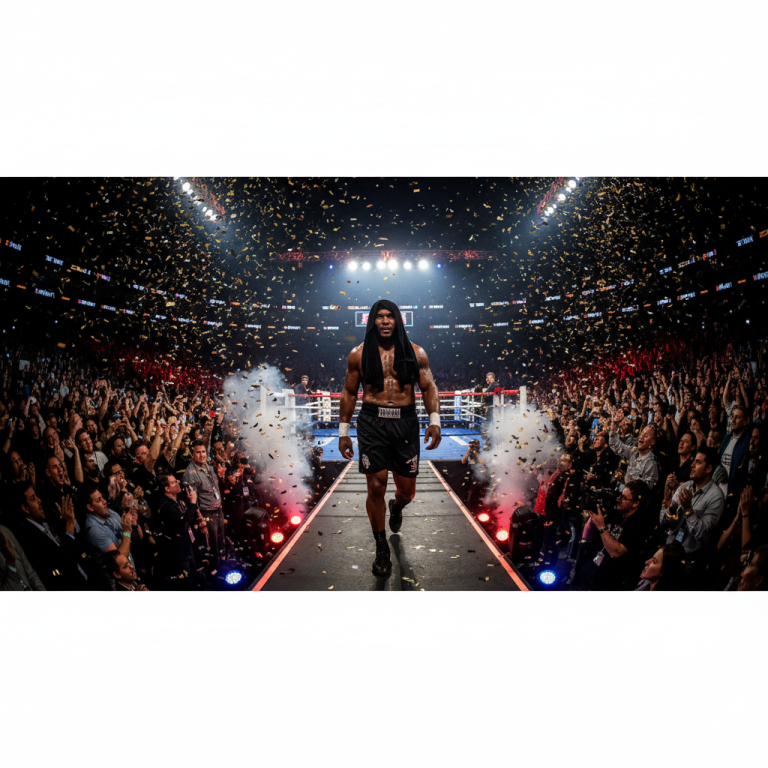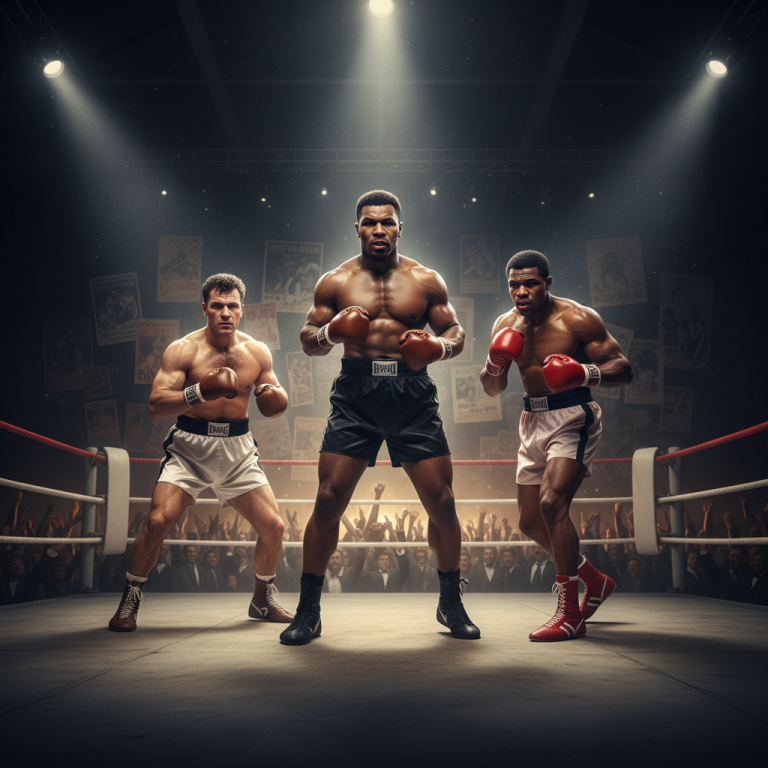

In the pantheon of heavyweight boxing history, few rivalries have generated as much electricity, controversy, and sheer disbelief as the collision between Mike Tyson and Evander Holyfield. It was a saga that spanned two fights in the mid-1990s, representing the clash of two distinct eras and two vastly different personalities. One was the self-proclaimed ‘Baddest Man on the Planet,’ a ferocious puncher whose intimidation tactics were legendary; the other was ‘The Real Deal,’ a warrior of immense heart and technical skill who had moved up from cruiserweight to conquer the giants.
To understand the magnitude of their first meeting, one must look at the landscape of boxing in 1996. Mike Tyson had returned from prison and reclaimed the WBA and WBC titles with terrifying ease, dispatching opponents in minutes. The aura of invincibility that surrounded him in the 1980s seemed to have been restored. Conversely, Evander Holyfield was viewed by many pundits as a fighter in decline. After suffering from heart issues and a knockout loss to Riddick Bowe, many feared for Holyfield’s health against the explosive power of Tyson. The odds opened heavily in Tyson’s favor, setting the stage for one of the greatest upsets in the sport.
The First Encounter: ‘Finally’
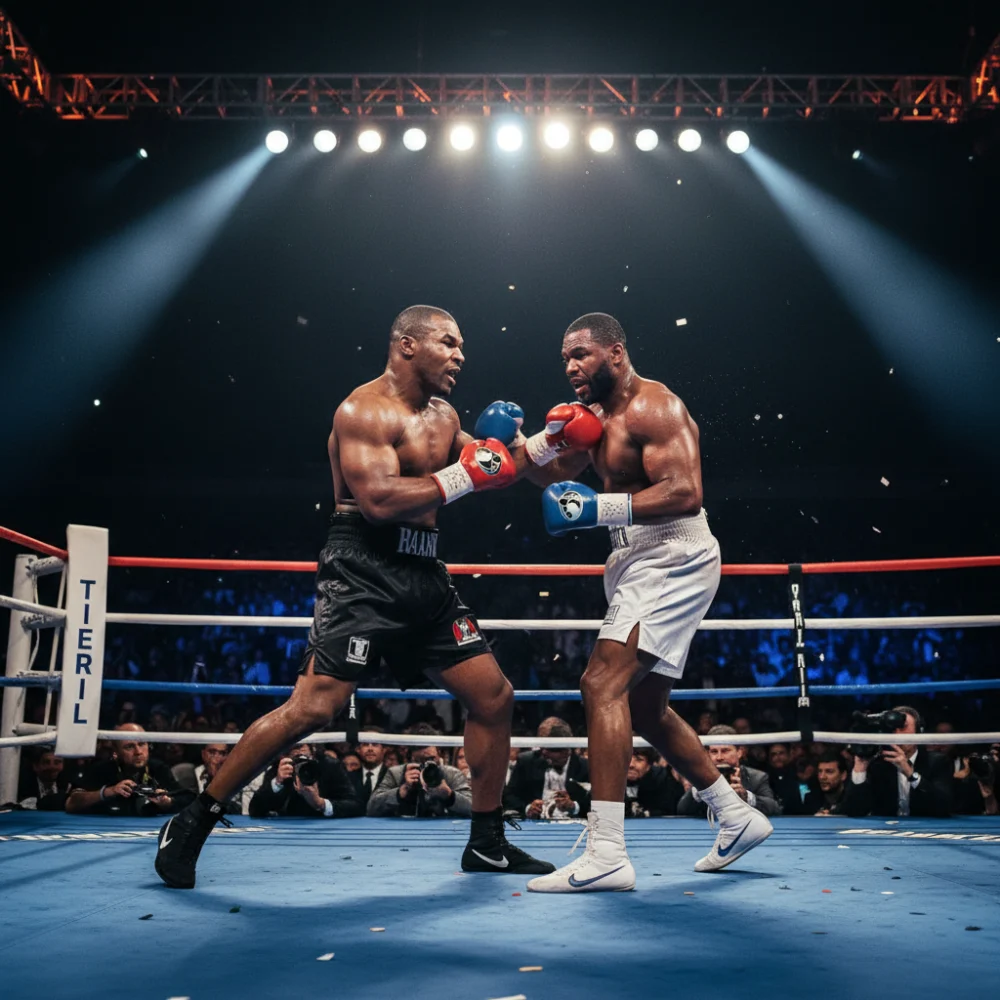
On November 9, 1996, the two titans met at the MGM Grand in Las Vegas in a bout billed as ‘Finally.’ From the opening bell, it was clear that Holyfield had not come to be another victim on Tyson’s highlight reel. Holyfield employed a brilliant strategy: he stood his ground, bullied the bully, and used his superior physical strength to push Tyson backward. By refusing to be intimidated, Holyfield neutralized Tyson’s greatest weapon—fear.
Throughout the fight, Holyfield controlled the clinches and countered Tyson’s hooks with precision. Tyson, unaccustomed to fighting on his back foot and visibly frustrated by Holyfield’s physical resilience, began to fade. The climax came in the late rounds. In the sixth, a headbutt (ruled accidental) opened a cut on Tyson, and a knockdown followed. By the eleventh round, Holyfield unleashed a barrage of punches that forced referee Mitch Halpern to step in, handing Tyson a TKO loss. The world was stunned; the ‘Real Deal’ had exposed the chinks in Iron Mike’s armor.
The victory cemented Holyfield’s legacy as a three-time heavyweight champion, joining the ranks of Muhammad Ali. However, the narrative immediately shifted to a rematch. Tyson’s camp complained about headbutts and officiating, while the public clamored to see if a focused Tyson could adjust and reclaim his throne. The stage was set for the summer of 1997, a fight that would become the most lucrative event in boxing history up to that point.
The Rematch: The Sound and the Fury
On June 28, 1997, the rematch, titled ‘The Sound and the Fury,’ took place again at the MGM Grand. The anticipation was palpable, generating over 1.9 million pay-per-view buys. Tyson entered the ring with a brooding intensity, knowing his career hung in the balance. Holyfield entered with the calm confidence of a man who knew he had his opponent’s number. No one could have predicted that the night would end not in a knockout, but in a moment of madness that transcended sports.
The first two rounds followed a pattern similar to the first fight. Holyfield was physically dominant, tying Tyson up and landing effective counters. Early in the second round, a clash of heads opened a severe cut above Tyson’s right eye. Referee Mills Lane ruled it accidental, but Tyson was incensed, believing it was a deliberate tactic by Holyfield. The blood flowing into his eye seemed to trigger a primal rage in the challenger.
The Bite Heard ‘Round the World
The third round of the rematch remains the most infamous three minutes in boxing history. With roughly forty seconds left in the round, the fighters clinched. In a shocking violation of the rules and human decency, Tyson bit a chunk out of Holyfield’s right ear and spat it onto the canvas. Holyfield leaped in pain, and the referee called a time-out. Confusion reigned in the arena as the ringside doctor examined the champion.
Incredibly, the fight was allowed to continue after Tyson was deducted two points. However, the chaos was far from over. Moments after the action resumed, Tyson bit Holyfield’s other ear during another clinch. When the round ended, the extent of the second bite was discovered, and Mills Lane disqualified Mike Tyson. What followed was absolute pandemonium.
The ring filled with security, police, and cornermen as a furious Tyson tried to get at Holyfield and his corner. The scene devolved into a near-riot, with debris being thrown from the stands and fights breaking out in the casino. Tyson was eventually escorted out, leaving the MGM Grand in a state of shock. The sporting world was left to process an act of cannibalism on live television.
The Aftermath and Consequences
The fallout was swift and severe. The Nevada State Athletic Commission revoked Mike Tyson’s boxing license and fined him $3 million. The incident effectively ended Tyson’s tenure as a serious threat to the heavyweight title for several years. He was branded a pariah, and the ‘Bite Fight’ became a cultural touchstone, referenced in everything from late-night monologues to movies. For Holyfield, the victory was bittersweet; he retained his titles but was denied the satisfaction of a clean win.
Psychologists and sports analysts spent years dissecting the event. Many concluded that Tyson, realizing he could not defeat Holyfield in a fair fight, looked for a way out. The bite was interpreted as a manifestation of frustration and a psychological breakage under the immense pressure of losing his ‘baddest man’ persona to a superior technician.
Legacy and Reconciliation
Despite the brutality of their rivalry, time proved to be a healer for both men. In the years following their retirement, Tyson and Holyfield forged an unlikely friendship. They appeared together on The Oprah Winfrey Show in 2009, where Tyson offered a heartfelt apology, which Holyfield graciously accepted. They even poked fun at the incident in a famous Foot Locker commercial where Tyson returns the piece of the ear to Holyfield.
Today, the Tyson-Holyfield rivalry is remembered as a two-act drama that defined the 90s heavyweight era. The first fight showcased high-level boxing strategy and the resilience of the human spirit. The second fight serves as a cautionary tale of unchecked aggression and the psychological fragility of even the most feared competitors.
Ultimately, the collision of Tyson and Holyfield was more than just boxing matches; it was a collision of legacies. It highlighted the difference between a fighter who relies on intimidation and a fighter who relies on skill and faith. While the chaos of 1997 often overshadows the brilliance of 1996, both bouts remain essential viewing for anyone wishing to understand the complex, brutal, and compelling history of the sweet science.